
How Handwriting Reflects and Shapes the Mind: The Science and Spirituality of Graphology
Handwriting as a Reflection of the Mind
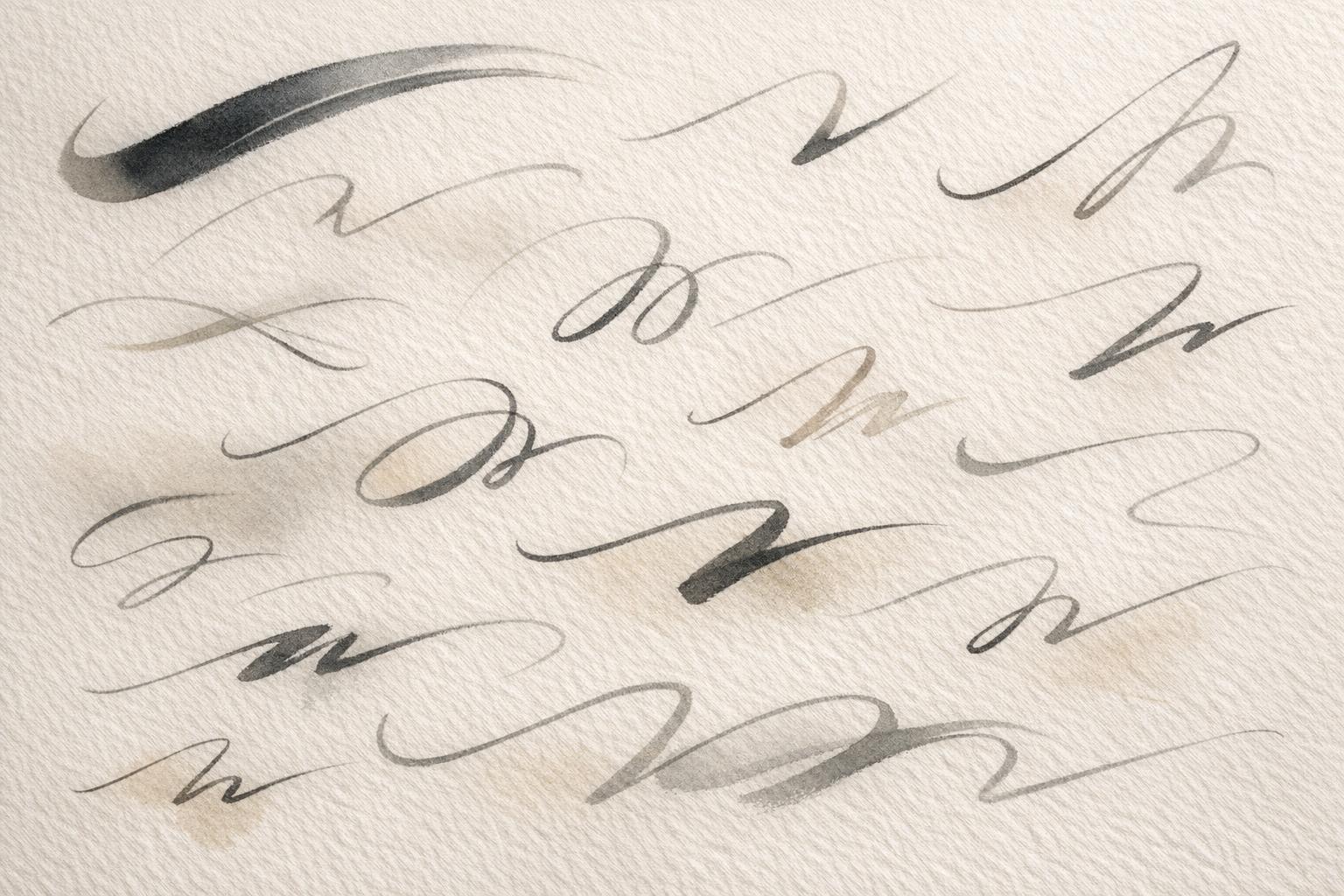
Handwriting is more than just a means of communication; it acts as a visible trace of the writer’s thoughts, emotions, and character. The study of handwriting, known as graphology, reveals that certain stylized strokes are linked consistently to specific personality traits. For example, someone with large, sweeping letters might be seen as outgoing, while small, cramped writing might suggest introversion. This consistency indicates that handwriting reflects an individual’s inner mental and emotional patterns.
Underlying this relationship is the principle that every action of the body — including handwriting — corresponds to neurological activity in the brain. Each neurologic pathway, which governs thought and behavior, manifests as specific muscle movements in the hands and fingers. Thus, handwriting can be understood as “brainwriting,” a direct physical imprint of the writer’s mental programming.
Our brain’s mental programming encompasses the neurological circuits responsible for our habitual thoughts, emotions, and behaviors. Because these circuits influence muscle control, they simultaneously shape handwriting characteristics. This offers a concrete way to observe a person’s stable personality traits simply by examining their written patterns.
Changing Handwriting to Renew the Mind
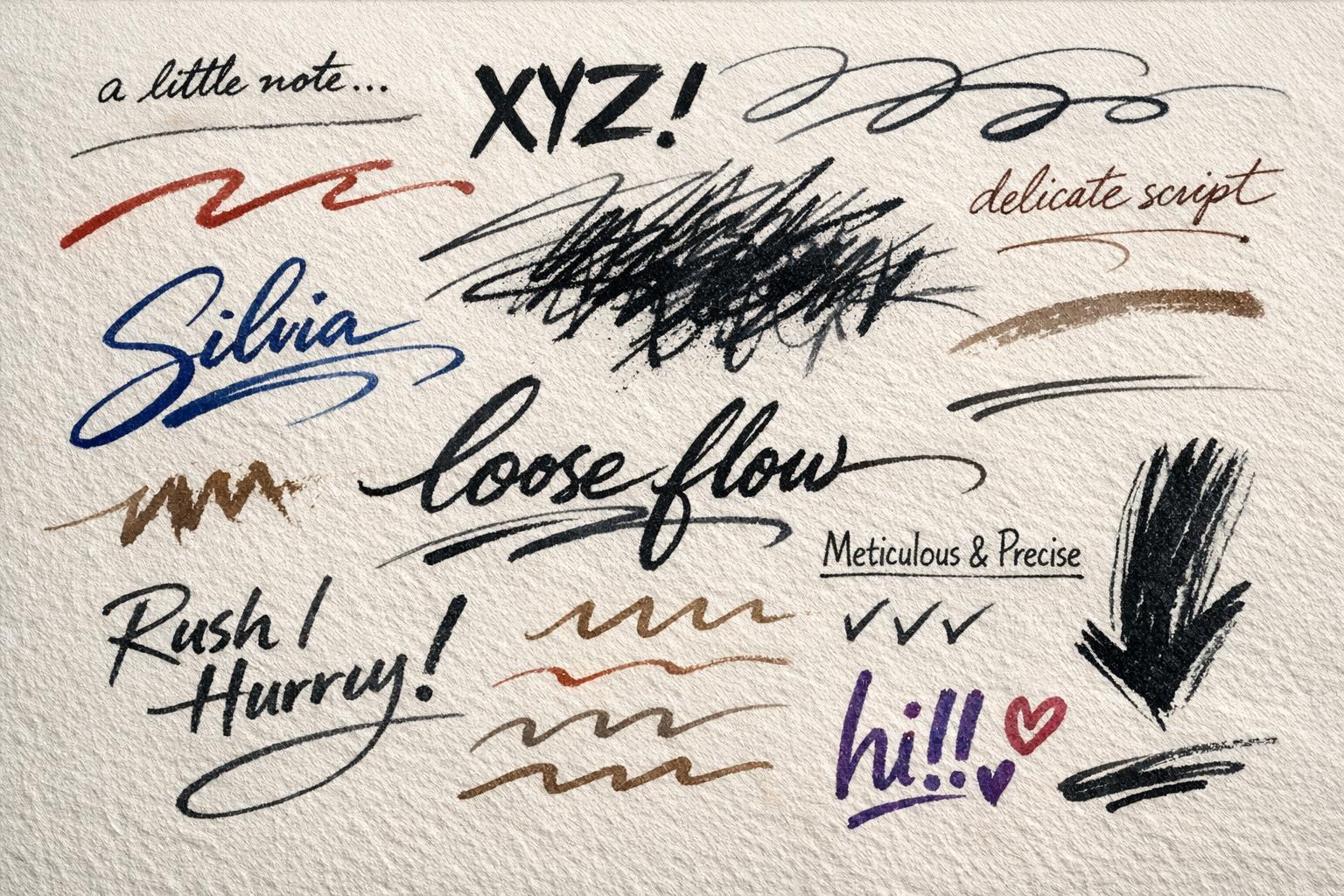
Importantly, the connection between handwriting and the brain is two-way. Just as thoughts influence what we write, deliberately altering how we write can feed back into the brain to modify thought patterns and behaviors. When a person consciously changes specific handwriting strokes, they create new neurological pathways. This process can support personal growth and transformation.
This phenomenon is similar to the placebo effect: conscious repetition of new handwriting styles becomes a form of self-affirmation or self-hypnosis. For instance, choosing to write with more open and flowing letters might reinforce openness in personality. Repeated practice engrains these new motor patterns in the brain, which then encourages corresponding behavioral changes.
Scientific research supports this. Studies, including those involving animals like monkeys, show that different finger movements activate distinct neural circuits in the brain. Altering handwriting style exercises different pathways, effectively retraining the brain to think and behave differently over time.
This reveals a powerful principle: rewriting our handwriting offers a practical method to participate in the renewal of our minds. By intentionally reshaping physical expression, we invite deeper internal change, leading toward healthier habits and clearer thinking.
The Spiritual Dimension of Handwriting and Mind Renewal
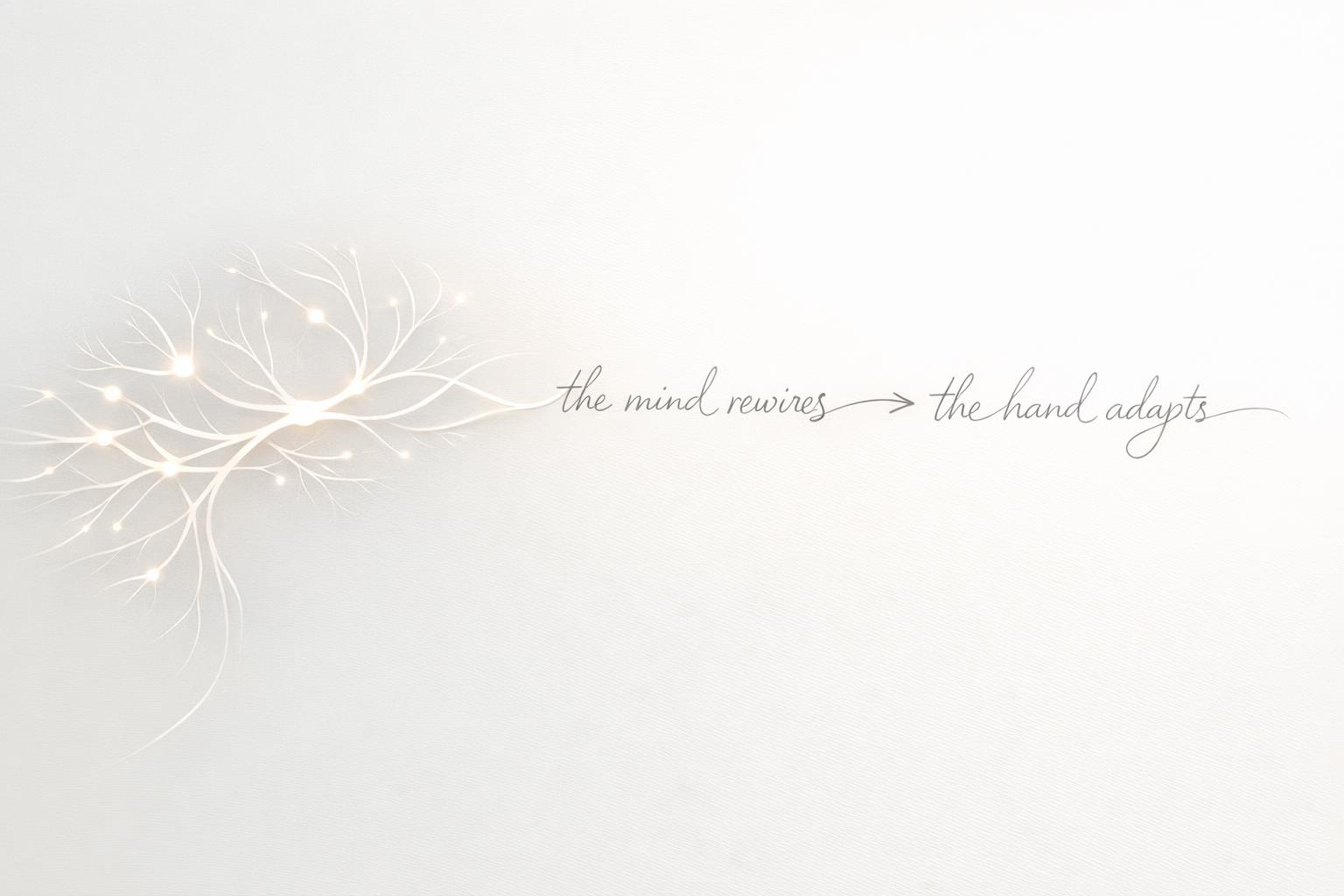
The idea that the mind can be renewed aligns strongly with spiritual teachings, which often emphasize transformation from within. The phrase "Renewed mind is a sound mind" captures the essential truth that clarity and stability in thought arise from ongoing inner renewal.
Handwriting, as “brainwriting,” demonstrates this renewal tangibly. It is a visible form of a sacred process where physical act, mind, and spirit converge. When a person changes their handwriting intentionally, it is not merely a change in penmanship but an embodied statement of transformation. It testifies to the power of conscious discipline rooted in faith to reshape identity and character.
This concept also extends to emotional states and moment-to-moment changes. Because handwriting varies subtly with transient moods, it reflects ongoing internal dynamics. Yet, the core strokes tied to personality endure unless deliberately altered, pointing to the stability of a renewed mind over time.
Therefore, handwriting offers an accessible, practical tool to engage with the spiritual mandate of renewal. By paying attention to how we write, we exercise intentional spiritual and mental formation. This practice supports a sound mind marked by self-awareness, integrity, and growth.
Practical Implications for Thought and Behavior
Understanding handwriting as brainwriting encourages a disciplined awareness of daily habits and internal life. It invites the responsible use of physical actions to influence psychological states positively. For individuals seeking stability in judgment and conduct, it provides a concrete method for renewal beyond abstract intention.
The interplay between neurology and handwriting also underscores the fundamental unity of body and mind. Change in one impacts the other. This invites a holistic approach to personal development considering both mental programming and embodied expression.
Consequently, efforts to develop a sound mind should incorporate both intellectual and practical action. The simple act of changing handwriting exemplifies how concentrated physical effort can foster deep mental transformation.
In sum, handwriting analysis reveals a profound accounting of human identity. It underscores a universal truth: the renewal of the mind is essential to genuine soundness and clarity. Through conscious practice, including the way we write, we participate actively in this renewal, enabling richer understanding, steadier judgment, and a more authentic life.


1 comment
interesting.