
How Our Beliefs Interact with Reality: Understanding Objective and Subjective Truth
Distinguishing Objective Reality from Subjective Reality

When we talk about reality, it is important to understand that there are two fundamental dimensions: objective reality and subjective reality. Objective reality refers to what exists independently of any one individual’s beliefs or perceptions. It includes the laws and principles that govern the universe, such as gravity and thermodynamics. These laws exist whether or not an individual believes in them or understands them.
On the other hand, subjective reality is the internal world of thoughts, feelings, and interpretations that each person experiences. It is shaped by beliefs, perceptions, and personal meaning. Subjective reality is changeable because it depends on the mind’s interpretation of experiences. For example, two people can witness the same event but experience it very differently, depending on their beliefs.
Recognizing the difference between these two realities helps us see how some beliefs tell us about the world as it truly is, while other beliefs influence how we experience and respond to that world.
The clarity that objective reality exists apart from personal opinion reminds us that truth depends on reality, not the other way around. This guards against the idea that one's personal viewpoint alone can determine universal facts.
How the Universal Mind Connects Mind and Matter
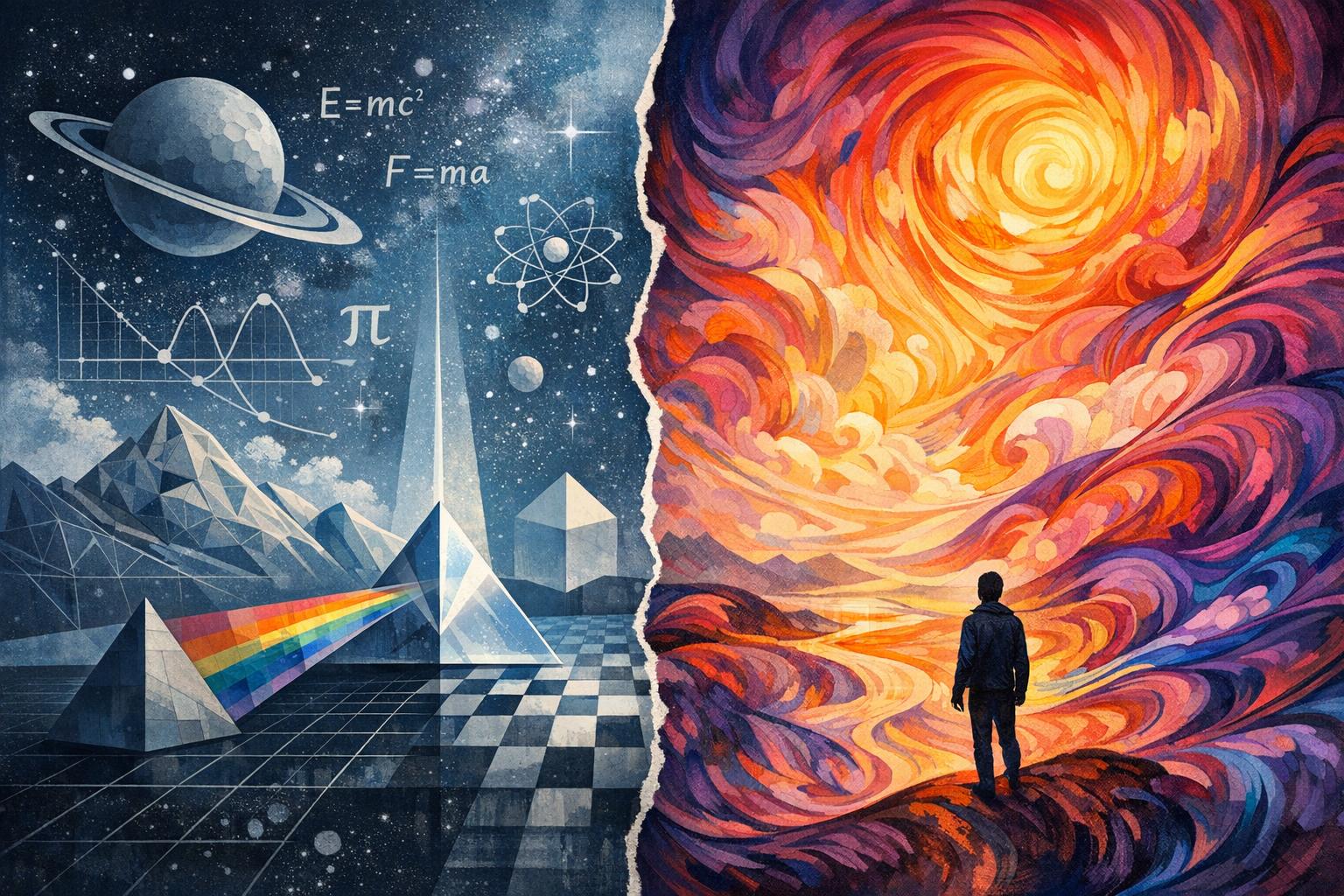
Modern science, particularly in quantum physics, suggests that at the deepest level, the universe is composed not just of dead matter but of conscious energy. This indicates that the physical laws we observe are governed by a higher order of reality often called the universal mind. This universal mind is an intelligent, conscious principle that underlies all existence and governs the laws of nature.
This means that the material world is not entirely separate from consciousness. Rather, consciousness and spiritual law underpin the physical laws that guide the universe. However, it is critical to understand that this universal mind is not the same as individual human will. An individual cannot simply decide to break a physical law, like gravity, without aligning with the greater purpose and order of the universal mind.
Physical laws are immutable within the universal order. While miracles and extraordinary events do occur, they are instances where human experience aligns with the will of this universal mind; the mind of God, not the product of random subjective beliefs overriding reality.
When Beliefs Reflect Reality versus When They Create It

Beliefs that reflect reality are those based on objective truth. They acknowledge and conform to universal laws and constants that exist beyond personal perception. For example, believing gravity will cause you to fall if you jump off a cliff reflects reality and guides how you act safely in the world.
In contrast, some beliefs shape or create subjective reality. These are personal interpretations and assumptions that influence how individuals perceive and interact with their experiences. For instance, believing you are capable of learning a skill can empower you to practice and succeed, changing your outcomes.
Understanding that the "world within governs the world without" means that while we cannot change objective reality by mere belief, we can influence our own subjective experience through what we choose to believe. This distinction is essential to avoiding confusion between fantasy and genuine empowerment.
Choose beliefs that align with objective truth to foster a sound mind and stable engagement with reality. By doing so, your internal beliefs construct a subjective world that supports well-being and purpose within the immutable laws of the universal order.
The Responsibility of Aligning Belief with Reality
Recognizing that beliefs either reflect an independent reality or influence subjective experience places a responsibility on the thoughtful individual. Faith and reason converge when we discern carefully between beliefs that accurately represent unchanging truth and those that shape our personal experience within that framework.
This insight encourages a disciplined approach to belief: to investigate, to seek evidence grounded in reality, and to be humble about the scope of our individual understanding. Holding beliefs based on universal truths equips a renewed mind—a mind that is sound, stable, and clear.
Truth is not crafted by individual preference but is discovered through alignment with reality. This understanding safeguards us from the dangers of self-delusion and opens the door to genuine transformation, where mind and reality harmonize.
Maintain vigilance over your beliefs and their sources, consciously cultivating those that empower and reflect authentic reality. It is through this commitment that the mind becomes a trustworthy guide rather than a source of confusion.
Empowerment through Understanding Reality and Belief
Grasping the distinction between objective and subjective reality clarifies how beliefs function either to mirror immutable truths or to shape individual experience. This knowledge is not abstract; it bears directly on how we govern our thoughts, make decisions, and interact with the world.
True empowerment arises not from arbitrary creation of reality through belief but from aligning beliefs with the universal, objective framework of existence while nurturing the creative power of the subjective.
In doing so, we foster mental clarity, stability, and sound judgment—hallmarks of a renewed mind capable of discerning truth amidst life's complexities.


