
How Positive and Negative Emotions Serve as God’s Guidance for a Renewed Mind
The Role of Emotions as an Inner Guidance System

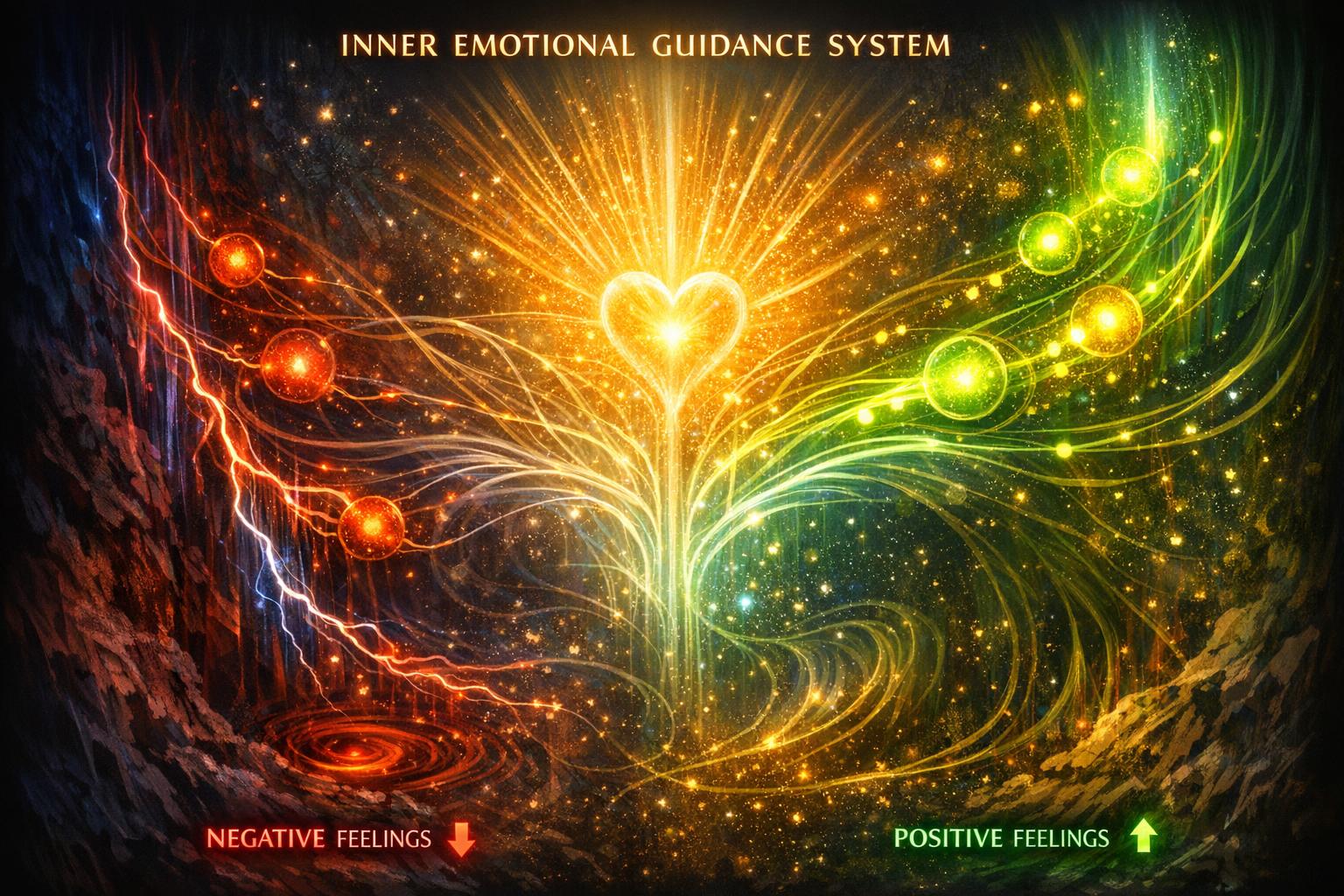
Emotions are often viewed as simple reactions, but they serve as a vital guidance system within us. In essence, positive feelings indicate alignment with what we truly desire or what is right, while negative feelings signal misalignment or error. This means our emotional responses provide immediate feedback on our thoughts, choices, and actions.
When you experience a positive emotion such as joy, hope, or relief about a decision or circumstance, it reflects harmony between your inner self and your goals. Conversely, feelings like anxiety, frustration, or sadness point to areas that require change or re-evaluation. Recognizing this feedback helps us adjust and move closer to our desired outcome.
This principle aligns with the biblical understanding that God gives wisdom and discernment to those who seek Him. Proverbs 3:5–6 encourages trust in the Lord instead of relying solely on human understanding, promising He will direct our paths. Emotions, therefore, become part of God’s way of steering us towards the right way when approached with wisdom and prayer.
The Difference Between Intuition and Subjective Emotions
It is important to distinguish between intuition and subjective emotions. Intuition is a deeper, more reliable inner knowing that consistently aligns with truth. It often presents itself as a strong, persistent feeling or a “gut instinct.” On the other hand, subjective emotions may conflict with reality and arise from wishful thinking or ignoring facts.
For example, someone might feel anxious about making a difficult decision. That anxiety could stem from fear rather than fact, which is a subjective emotion. However, true intuition—aligned with God’s truth—provides clear and calm confirmation. The Spirit of God is described in Scripture as the Counselor who guides believers into all truth (John 16:13), which affirms that intuition, properly understood, is a gift to be cultivated.
To sharpen this inner guidance, it is crucial to become familiar with the frequency of these signals—positive signals are light and expansive, while negative ones feel heavy and restrictive. Understanding this allows one to discern between genuine intuition and fleeting emotions.
The Practice of Using Emotions to Direct Actions
Negative emotions should be seen as prompts for action—not as states to be avoided without reflection. They reveal that something in our thinking or behavior needs adjustment. Ask yourself, “What am I thinking or doing that causes this feeling?” Then consider, “What can I change to restore peace or joy?” This process aligns with biblical teaching about self-examination and repentance, which fosters transformation (2 Corinthians 13:5).
Similarly, positive emotions encourage continuation in a certain path. When joy or peace accompanies a decision or action, it is a sign to proceed. Act only when this inner peace confirms your intent. Taking inspired action is more fruitful than acting out of impulse or pressure.
It is also important to remain patient and open. Sometimes doing nothing in a moment of uncertainty is itself the correct action. Trusting that God’s timing is perfect leads to peace, as Philippians 4:6–7 reminds believers to present their requests to God with thanksgiving and receive peace guarding their hearts.
Aligning Desires with God’s Will Through a Renewed Mind
To discern true desires from limiting beliefs, imagine removing fears and doubts from your thinking. What remains is your authentic desire, unfiltered by injustice or self-deception. This clarity is crucial because false desires can mislead and cause confusion.
A renewed mind, as described in Romans 12:2, transforms by rejecting the world’s patterns and embracing God’s truth. This renewed thinking enables a sound mind that perceives and aligns with God’s purpose, preventing subjective emotions from ruling decision-making.
A practical step is to speak out loud or meditate in a posture of acceptance and gratitude, acknowledging that the fulfillment of your desires has already been accomplished through God’s providence. Deep gratitude cultivates trust and opens the heart to receive further direction, whether internally through intuition or externally through counsel from others.
Trusting and Acting on Divine Guidance

Trust in intuition grows stronger when acted upon consistently. The more you obey the prompting of peace and joy, the more reliable and pronounced this guidance becomes. Often, God’s messages come through subtle means—an unexpected suggestion, a passage read, or a conversation. Recognizing these signs requires attention and faith.
In situations with multiple good choices, compare the intensity of positive emotions associated with each. Choose the option that yields the strongest joy or peace, as it represents the best path aligned with God’s blessing. This discernment respects human freedom while acknowledging God’s sovereignty in leading His people.
Ultimately, this emotional and intuitive engagement reflects a life governed by a renewed mind, which is sound, discerning, and at peace. Such a mind is not tossed by every fleeting feeling but rooted in God’s unchanging truth. Scripture encourages believers to cultivate this sound mind for wise living and spiritual growth (2 Timothy 1:7).
“Do not be conformed to this world, but be transformed by the renewal of your mind, that by testing you may discern what is the will of God, what is good and acceptable and perfect.” – Romans 12:2
“For God gave us a spirit not of fear but of power and love and self-control.” – 2 Timothy 1:7


