
Understanding the Multidimensional Reality: Exploring the Seven Planes of Existence
Introduction to Multidimensional Reality
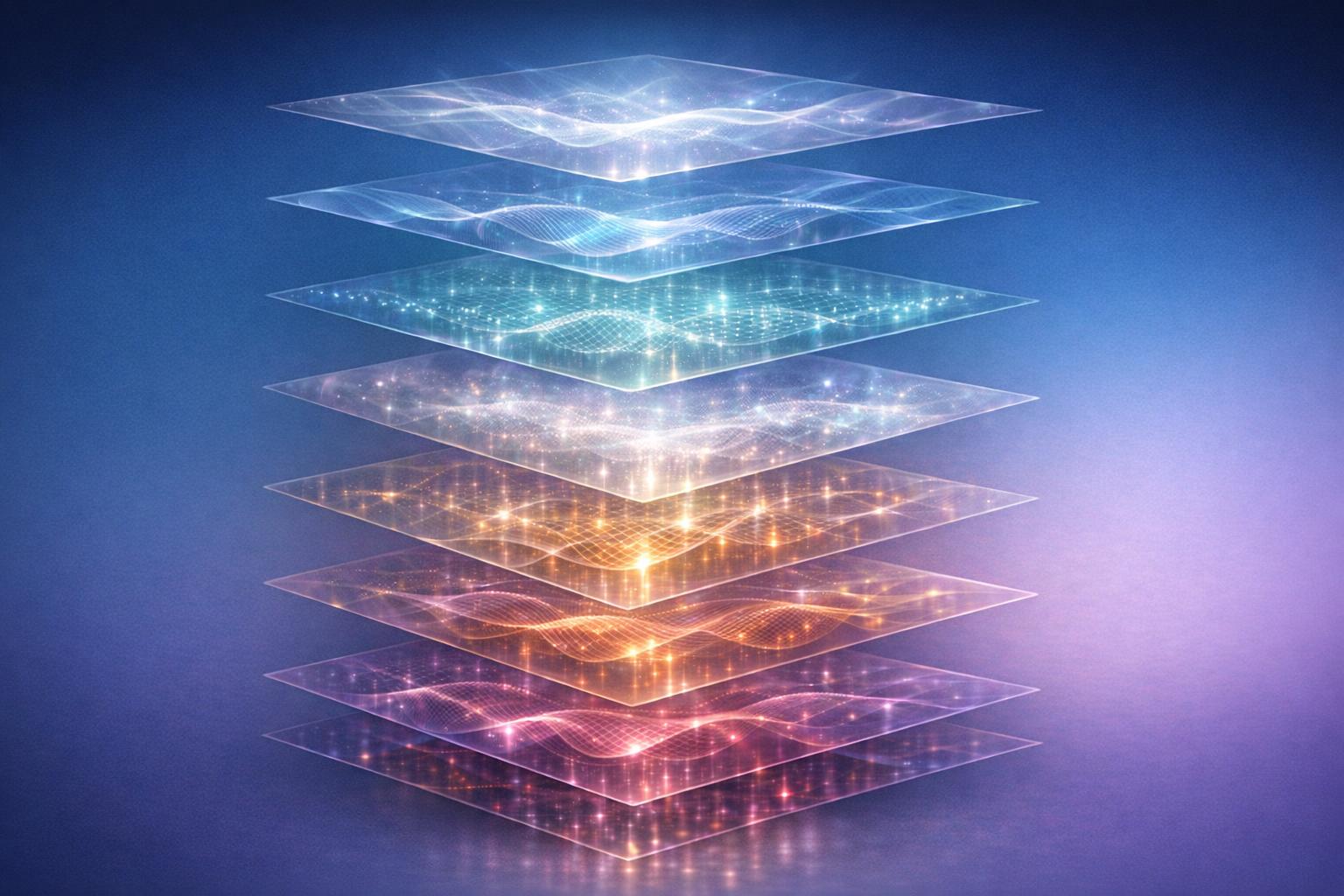
When considering reality, most people think only of the physical world they see, touch, and experience daily. However, reality is far more complex and multidimensional. Beyond the physical plane lies a series of higher planes, each made up of different forms of existence. These planes are not "higher" in the sense of spatial elevation but represent finer dimensions distinguished by their vibrational or energetic states.
To understand these planes, it is helpful to start with the physical plane, which includes everything made of matter, what we call solid, liquid, gas, plasma, and others. Yet, beyond this lies the mental plane, a realm composed of thought waves and consciousness. This mental plane itself contains multiple levels, progressing further from the physical into spiritual realities.
The Physical Plane and the Etheric Plane
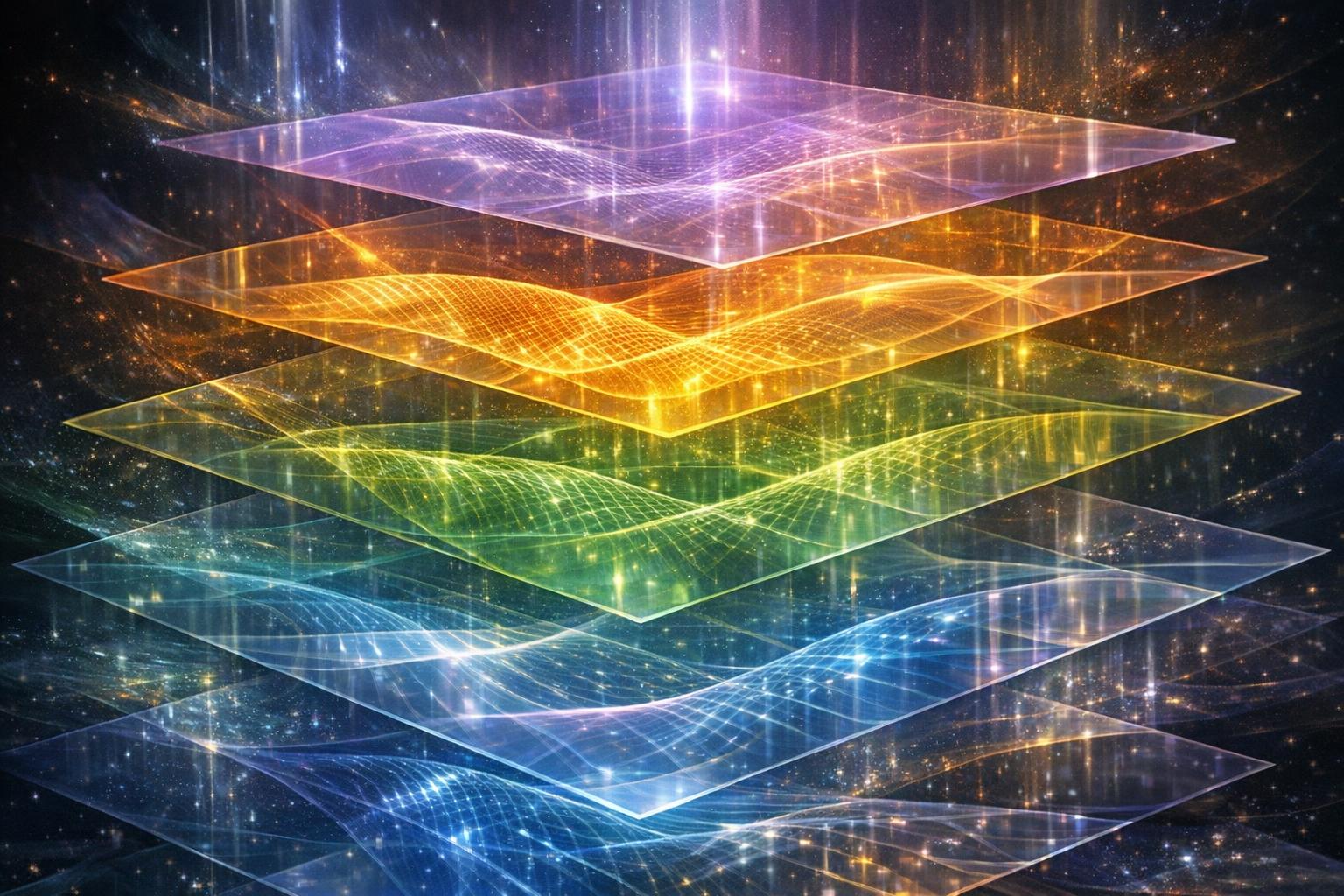
The physical plane is the first and most tangible plane of reality. It consists of matter in its familiar states and is where everyday life occurs. But even here, there is a subtle overlap with the second plane, called the etheric plane. The etheric plane is made of energy forms or thought waves that coexist with physical matter but at a different vibrational density. This means that your body exists simultaneously in two states, the physical and the etheric.
For example, during an Out of Body Experience (OBE), a person’s physical body remains at rest, while their consciousness enters the etheric plane. In this state, although unseen by those still in the physical realm, the etheric body is real, connected by an unbreakable "silver cord," symbolizing the link between physical life and consciousness.
Objects and people in the etheric plane often reflect personal mental images or self-perceptions. Someone's etheric body might appear altered based on how they see themselves mentally. This shows how consciousness and thought shape reality beyond the physical senses.
The Astral Plane: The Realm Beyond Physical Form
The third plane, the astral plane, goes a step further from physicality and etheric existence. It is a plane entirely made up of thought and imagination, existing beyond any physical reality. Many describe it as the realm where souls go after death or where spiritual travel and interaction with other beings occur.
The astral plane hosts a wide variety of experiences, from places of peace and joy to those of suffering and torment. These correspond to the spiritual conditions or energies of the individuals there. Near Death Experiences (NDEs) often describe journeys through this plane, shaped by expectations and beliefs about the afterlife. This plane can be seen as a collective dream-state where souls interact according to their spiritual state.
Dreams, too, relate closely to these dimensions. While personal dreams occur in a lower plane linked to the subconscious, when two or more people share dream experiences, it suggests interaction at the astral or etheric level. This connection highlights the interwoven nature of consciousness across different realms.
The Mental Plane: The Source of Thought and Inspiration
The mental plane, the fourth plane of reality, is where pure thought and imagination reside in their most vivid form. It is a realm that transcends ordinary understanding, filled with vibrant patterns of light, sound, and ideas. This plane is the wellspring of creativity and inspiration, where thoughts first originate before they manifest into the astral, etheric, and ultimately, the physical planes.
Here, reality is fluid and kaleidoscopic. Rational understanding gives way to acceptance and wonder. The mental plane is also associated with the spirit, the timeless and eternal part of our being, distinct from the soul's emotions and desires. It provides a glimpse into the higher heavens and deeper spiritual realities beyond matter and sensation.
The Celestial, Cosmic, and Divine Planes: Angelic and Ultimate Realities
Above the mental plane lie three further planes: the celestial, cosmic, and divine. The celestial plane is the domain of angels and the heavenly hosts—beings of great power and glory who dwell in the presence of God’s majesty. It represents a realm suffused with divine light and authority.
The cosmic plane holds the highest form of glorified existence, where beings exist in perfect joy, love, and radiance. Time ceases, and reality becomes more tangible and alive than in any physical experience. This plane reveals the profound beauty and interconnectedness of all creation at its most exalted state.
Finally, the divine plane, often called The Source, is the ultimate reality. It is pure spirit and consciousness, devoid of separation and form. Here, one is united with God, fully integrated with the Universal Mind, experiencing unending bliss and perfect unity. This plane represents the fullness of eternal life and the true nature of ultimate existence.
Implications for Faith and Conscious Living
Recognizing the existence of these multiple planes of reality challenges many common assumptions about what is real. It invites a deeper reflection on consciousness, spirit, and the nature of life beyond physical appearances. The physical world, while real, is a condensation of higher realities—like a dense dream state from which our soul can awaken.
This multidimensional perspective asserts the ontological truth that reality is not limited to what human senses capture. It also implies personal responsibility in how we shape our inner and outer worlds. Thought, imagination, and spiritual condition affect not only our experience in the physical plane but also determine our place in the higher planes.
Cultivating a renewed mind, by aligning thought, faith, and understanding, enables clearer discernment and stable judgment among these levels of being. A disciplined mind, aware of these realities, can navigate life with greater peace and purpose, recognizing that eternity encompasses and surpasses the temporal.
Conclusion: The Reality of Dreams and the Dream of Reality
The boundaries between dream and reality often blur when seen from this multidimensional framework. The physical dimension is itself a form of condensed thought wave energy, making our waking world a kind of dream in a grander cosmic order. Conversely, the higher planes appear as dreamlike to our physical senses but embody profound truth and spiritual reality.
This understanding invites humility and awe: all existence is unified in the ultimate Source, where mind and spirit converge. The journey through these planes is an eternal pilgrimage toward perfect knowledge, love, and unity with God. Embracing this reality renews the mind and clarifies our path toward sound judgment and steadfast faith.


