Understanding Chaos Theory: The Hidden Order of Creation and Human Freedom
Unveiling True Chaos: Order Beyond Disorder
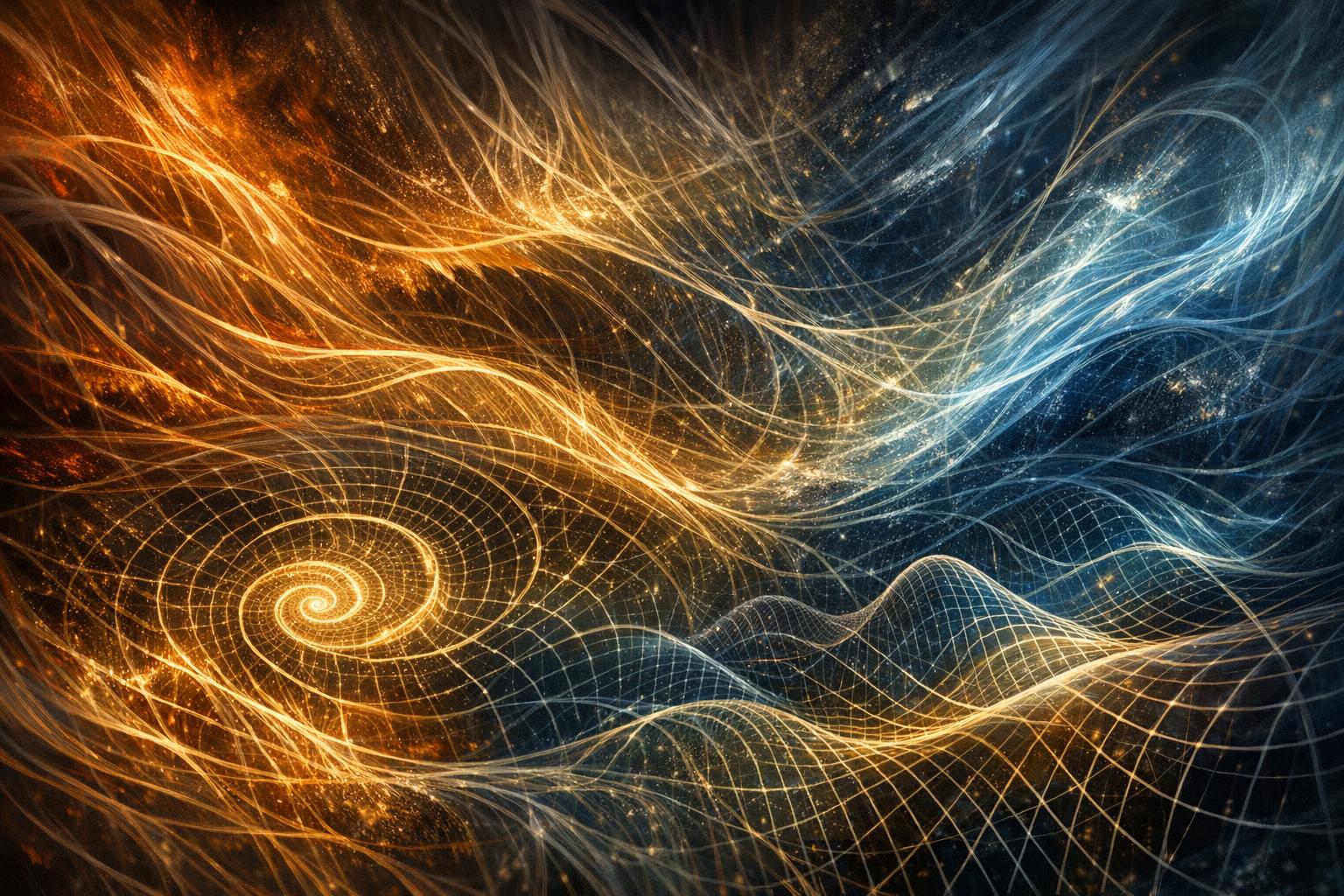
When we hear the word "chaos," we often think of confusion, randomness, or lack of control. However, in scientific terms, particularly in chaos theory, chaos does not mean disorder. Instead, it describes complex systems that seem unpredictable yet actually follow definite rules. These systems, from weather patterns to heart rhythms, show a hidden structure beneath their apparent randomness.
Chaos is a higher order—a pattern of organization that transcends simple, linear cause and effect. This principle contradicts the common notion that order means strict predictability and chaos means total confusion. In fact, seemingly “random” events often arise from deep patterns. Understanding this challenges us to look beyond surface appearances and appreciate the intricate design woven throughout creation.
Science confirms that chaotic systems are deterministic; their behavior is determined by initial conditions. Even small differences at the start can lead to vastly different outcomes—a concept called the “sensitivity to initial conditions." Yet, despite unpredictable details, overall patterns persist. This illustrates how God's creation holds both constancy and variety, reflecting His sovereignty and creativity simultaneously.
Patterns, Fractals, and the Divine Design
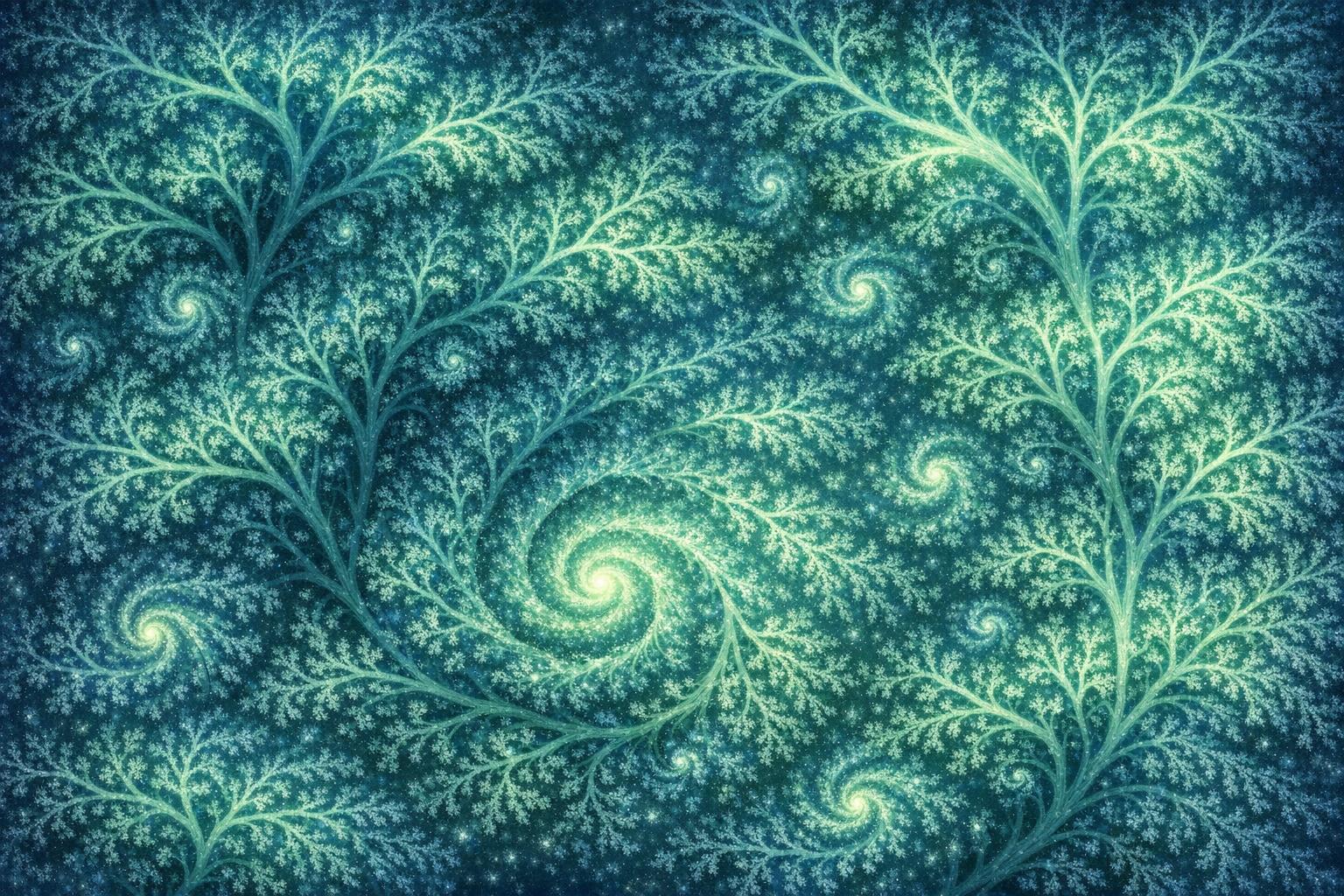
One key concept in chaos theory is fractals. Fractals are complex shapes that maintain the same pattern across different scales. Imagine a tree: each branch mirrors the whole tree’s structure, just in smaller form. Similarly, the veins in a leaf, the spiral of a galaxy, and even the patterns of market prices reveal self-similarity.
Fractal geometry points to an ordered complexity beneath creation’s surface complexity. Such balance and repetition in nature suggest a deliberate design rather than random chance. This resonates with Scripture, which teaches that God’s power and wisdom are evident in the created order:
"For since the creation of the world God’s invisible qualities—His eternal power and divine nature—have been clearly seen, being understood from what has been made." (Romans 1:20)
The fractal character of nature also hints at a holographic principle, where every part of creation contains a reflection of the whole. This supports the biblical idea of unity in diversity; every creature and system reflects aspects of God’s eternal and infinite being.
Attractors, Free Will, and Destiny
To further grasp chaos, we consider attractors. Attractors are stable patterns or states toward which a system tends to evolve. A simple example is a ball resting at the bottom of a bowl; no matter where you place it, gravity causes it to settle there. In chaotic systems, there are more complex “strange attractors,” with paths that never overlap but remain bounded within a certain space. These attractors produce behavior that seems random yet remains constrained by an underlying order.
This duality mirrors the relationship between free will and destiny in a biblical worldview. We are free to make choices, yet our life paths remain within the scope of God’s sovereign plan. Just as particles in a strange attractor move unpredictably but never leave the attractor’s domain, human decisions occur within divine limits. Our freedom is real but never absolute in the sense of being detached from God’s providence.
Jesus teaches this balance, assuring us that while we are responsible for our decisions, God’s purpose will ultimately prevail:
"And we know that in all things God works for the good of those who love him, who have been called according to his purpose." (


