
Understanding Love, Liking, and Attraction: Distinctions That Shape Our Relationships
Defining Love, Liking, and Attraction
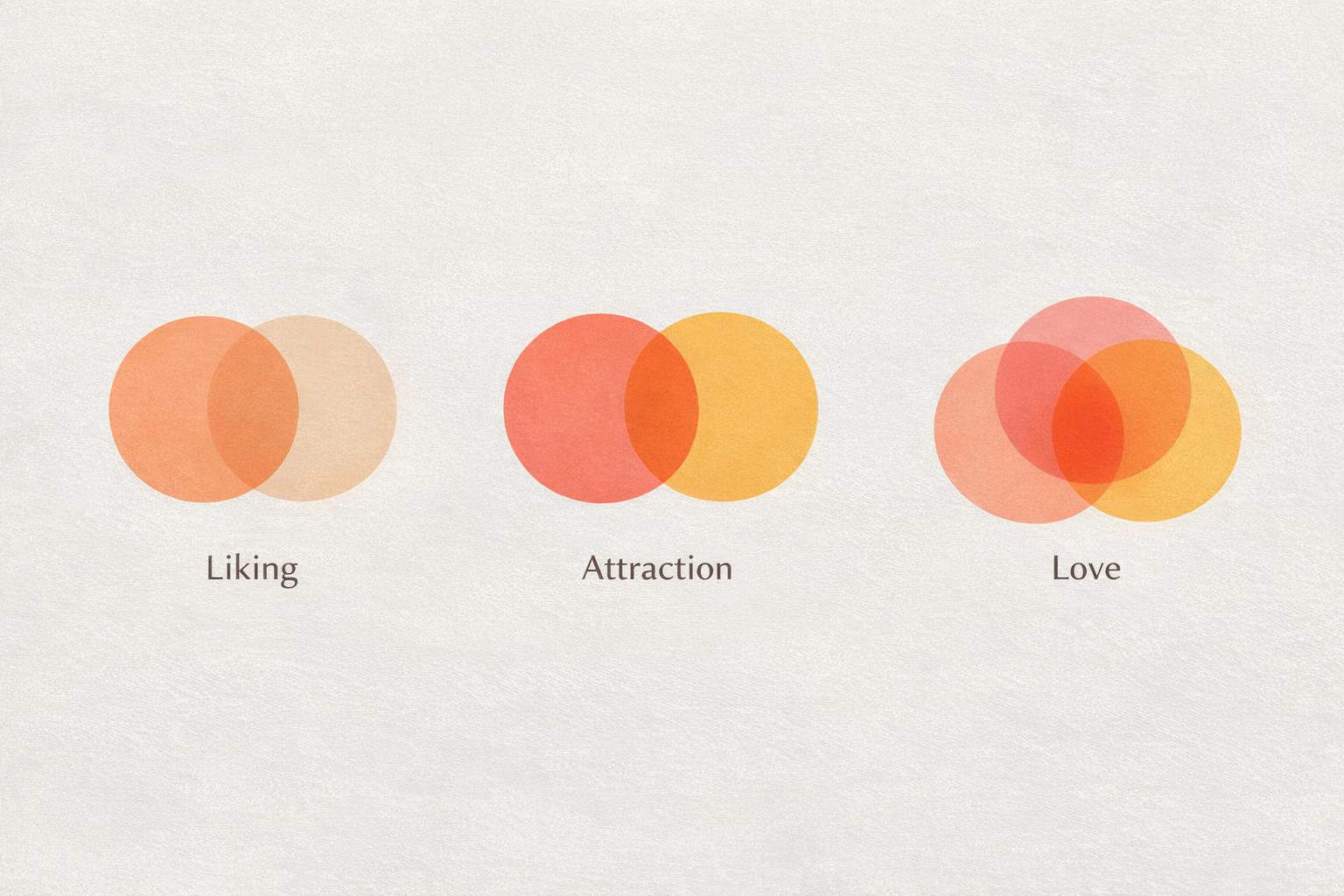
People often seek signs that someone likes or is attracted to them. Yet, it's important to distinguish between liking someone, being attracted to them, and actually loving them. These words are sometimes used interchangeably, but they capture very different realities.
First, liking someone expresses a positive regard or fondness—it is simple and often casual. You might like a friend, enjoy their company, or appreciate their qualities without any deeper emotional engagement. Attraction, however, involves a stronger pull—often physical or emotional—that draws you toward another person. Not every person you like is someone you’re attracted to, and vice versa. Love adds still more complexity and commitment. It is a profound care and concern that includes but also surpasses attraction and liking.
The distinctions matter because confusing them can lead to misunderstandings in relationships or misguided expectations about others' feelings and intentions.

The Types and Dimensions of Love
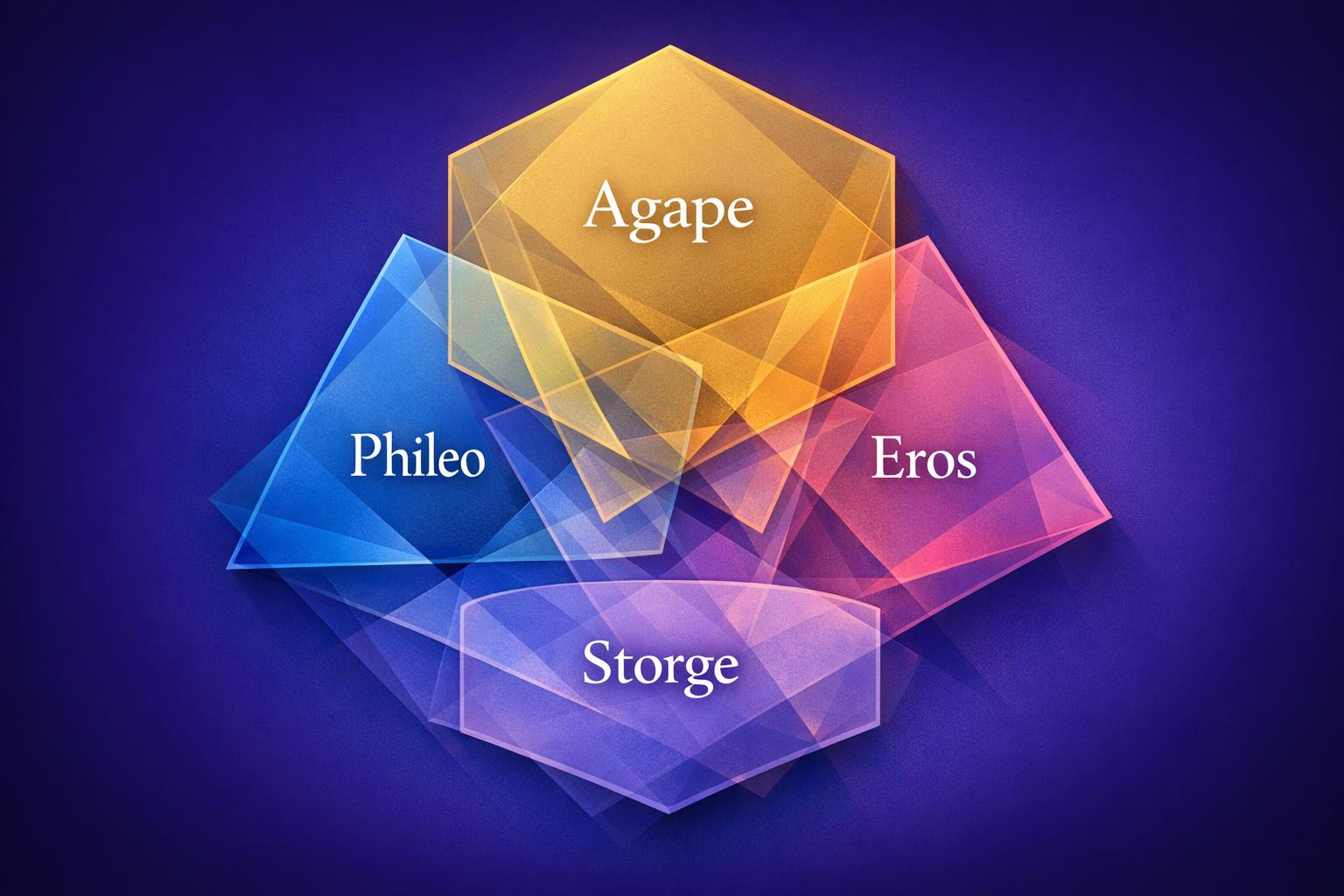
Love itself comes in many forms, which are often grouped by their nature and purpose. Common categories include:
- Agape: A selfless, sacrificial love that reflects a deep care for another’s well-being, often regarded as spiritual or unconditional love.
- Phileo: A brotherly love linked to friendship, kindness, and mutual respect.
- Eros: Romantic and sexual love, characterized by desire and passion.
- Storge: Familial or kinship love, the affectionate bond within family members.
Beyond categories, love varies across four important dimensions:
- Type: What sort of love it is (as above).
- Level: How much unconditional, sacrificial care is involved.
- Intensity: The passion, energy, and focus that love carries.
- Depth: How deeply rooted and enduring the love is through time and challenge.
For example, you may feel a deep familial love for siblings (storge) with great depth and steady intensity but a different kind of intense, focused eros love for a romantic partner. Both are real and valuable, though serving different roles in human flourishing.
The Crucial Difference: Loving vs. Being In Love
Many confuse loving someone with being in love. The difference is critical, especially in relationships aspiring toward lifelong partnership.
Loving someone can apply broadly: you might love numerous people—friends, family members, mentors—with genuine care and affection. But being in love means a particular kind of romantic, passionate connection designed by God and nature for marriage and exclusivity.
Being in love carries a unique intensity and singularity. There is only room for one person to occupy that cherished place in your heart at a time. This kind of love combines the emotional depth of agape with the passionate desire of eros, binding two persons uniquely and enduringly.
This distinction illuminates why many seek “the one,” a soulmate whose companionship transcends ordinary affection. It is also why entering marriage requires careful discernment beyond just liking or attraction. While attraction can spark a relationship and liking sustains comfort, it is being in love that grounds profound commitment.
Practical Implications for Relationships and Personal Growth
Understanding these distinctions challenges us toward greater self-awareness and maturity. When pursuing or evaluating relationships, acknowledge that:
- Not every person you like is someone you are meant to love or be in love with.
- Being in love requires exclusive devotion and recognition of its unique place in your life.
- Love in its fullest form involves sacrificial care—not just passion or liking.
- You should seek to be whole and complete within yourself rather than needy or insecure, since genuine love flows from strength, not deficit.
These principles guard against naive or impulsive relationships and foster choices marked by clarity and sound judgment. Choosing a partner to “marry someone you can’t live without” recognizes the profound nature of being in love.
At the same time, loving many people in different ways enriches our experience and capacity for empathy. All love contributes to emotional wholeness when understood rightly, and love rooted in spiritual depth enhances not only our relationships but also our peace and wisdom.
“For God so loved the world that he gave his one and only Son…” (John 3:16)
This Scripture verse exemplifies the greatest love—agape—that sets the model for all our loves: sacrificial, enduring, deeply rooted, and uniquely powerful.
To cultivate such love and discern attraction and liking rightly, renewing the mind through reflection, prayer, and honest assessment produces a sound mind. With a sound mind, relationships become clearer, commitments more stable, and judgments more reliable.


