
When Your First Stitches Wander: Learning Without Calling Yourself a Failure
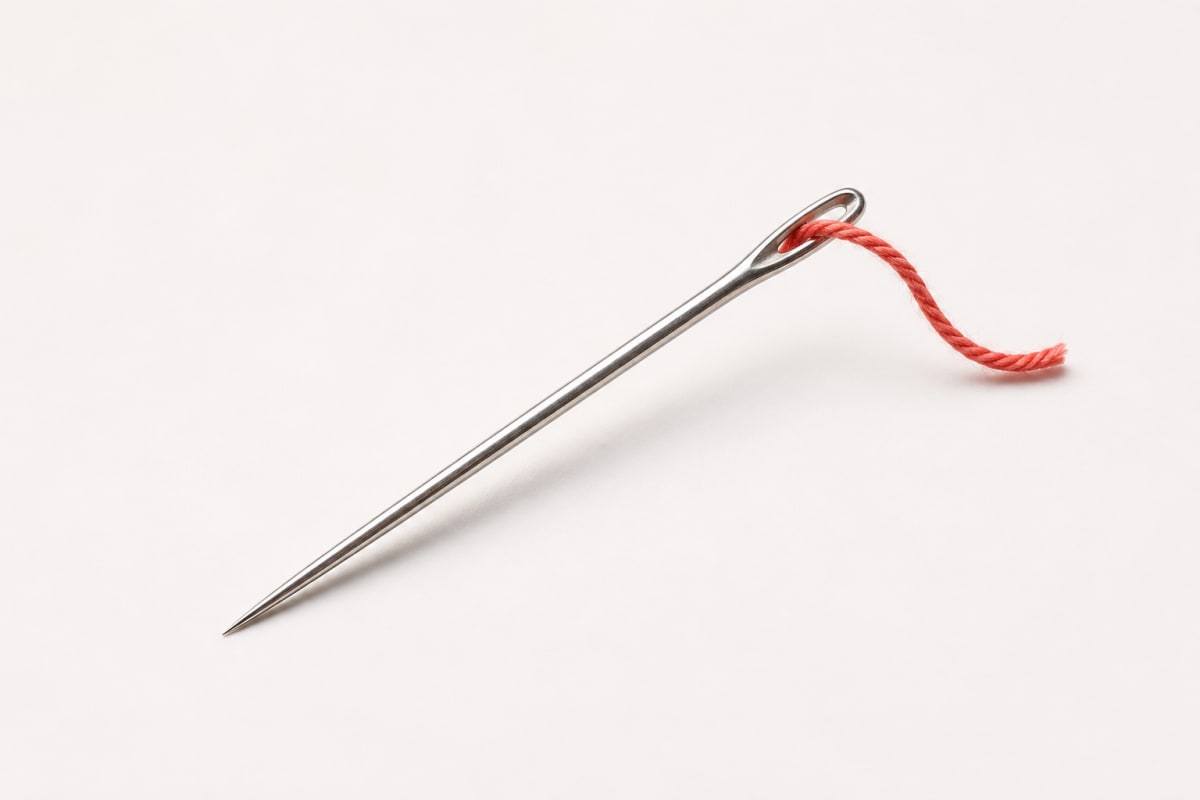
The first seam wanders across the cloth. You pull out a few stitches, try again, and feel the familiar temptation to put everything away. The needle is small; the verdict forming in your mind is much larger: “I am simply no good at learning things.”
Imagine learning to hem a cloth for the first time. This ordinary task offers a concrete place to examine how a difficult attempt becomes a statement about identity. Renewing the mind includes learning to tell the truth about the work without turning a beginner's performance into a judgment of personal worth.
Let the first attempt tell you something specific

A bobbin holds enough thread for many attempts, but frustration can make one crooked line feel final. Notice the inward movement: you see uneven spacing, remember an earlier disappointment, feel embarrassed, and want to stop. The difficulty is real. The conclusion that you cannot learn is an additional claim.
The process we will explore is motor skill learning: developing the ability to carry out a movement task more effectively through experience. Sewing asks you to coordinate where the needle enters, how far it travels and how firmly you pull the thread. Seeing the desired result is different from being able to produce it consistently.
Proverbs 19:2 warns against haste without knowledge: “Also, that the soul be without knowledge, it is not good; and he that hasteth with his feet sinneth” (KJV). This wisdom concerns informed conduct, not a guarantee of craftsmanship. Applied here, it invites you to learn what the task requires before demanding speed from yourself.
Understand what practice can change
In a 1995 study, Karni and colleagues investigated repeated practice of a finger-movement sequence in adults. Performance improved with practice, and functional MRI showed changes in the motor cortex associated with the trained sequence. The gains did not simply transfer to a matched sequence or to the other hand. The finding is valuable precisely because it is specific.
The motor cortex is a part of the brain involved in controlling voluntary movement. Changes in its measured activity with training provide evidence that adult brain function can adapt with experience. They do not mean that a few stitches increase general intelligence, repair an injury or guarantee mastery. This experiment tested finger sequences, not sewing or spiritual maturity.
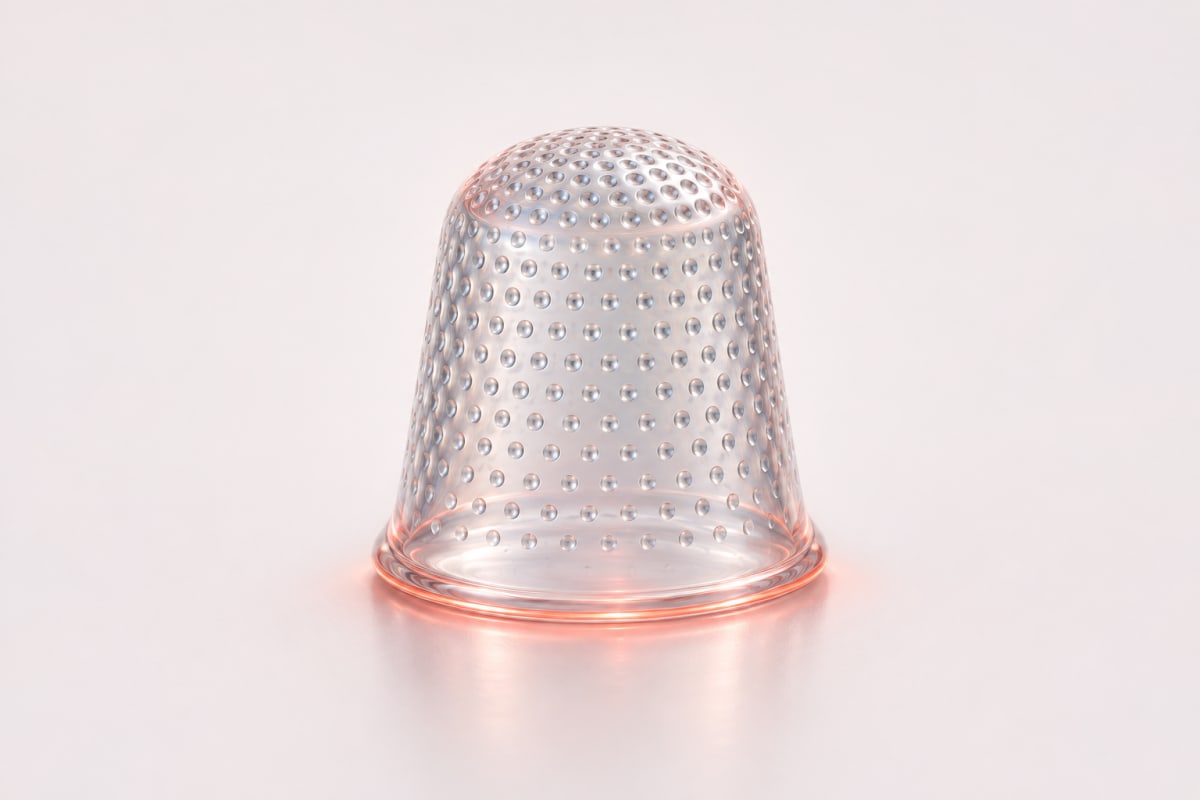
For the learner wearing an unfamiliar thimble, the practical application is to identify the movement that needs attention. Is the needle entering too far from the last stitch? Is the thread being pulled so firmly that the fabric gathers? “My spacing changes when I rush” gives you something to work with. “I always fail” does not describe the movement at all.
Practice is therefore more purposeful when you know what you are trying to notice. An experienced person or a clear demonstration can help you understand the task. Asking for that help need not become another reason for shame.
Practice with humility and a kinder measure

James writes, “If any of you lack wisdom, let him ask of God” (James 1:5, KJV). The passage addresses faithful endurance amid trials. Its invitation to seek wisdom supports dependence on God; it does not promise instant technical ability. Prayer and patient instruction can belong together.
Christian renewal concerns the inward disposition as well as outward conduct. A person learning a new life in Christ can relinquish the demand to appear competent at everything. The physical learning described by neuroscience and the spiritual renewal described by Scripture are not interchangeable, but both deserve thoughtful attention in a life of growth.
Your first attempt can be unfinished without making your effort worthless. A seam can need correction while the person making it deserves patience. This leaves room for honest evaluation, responsibility and hope.
Today, give five minutes to one small movement in a skill you are beginning. For a practice seam, attend only to the distance between stitches, then describe one observation without judging your identity. This is a suggested everyday exercise, not a scientifically prescribed duration. Its purpose is to make the next attempt informed rather than punitive.
Reflection: What specific feature of this task could I learn about instead of using difficulty as a verdict on myself?


