
The Leaking Nozzle: When Past Spending Pulls at Today's Choice
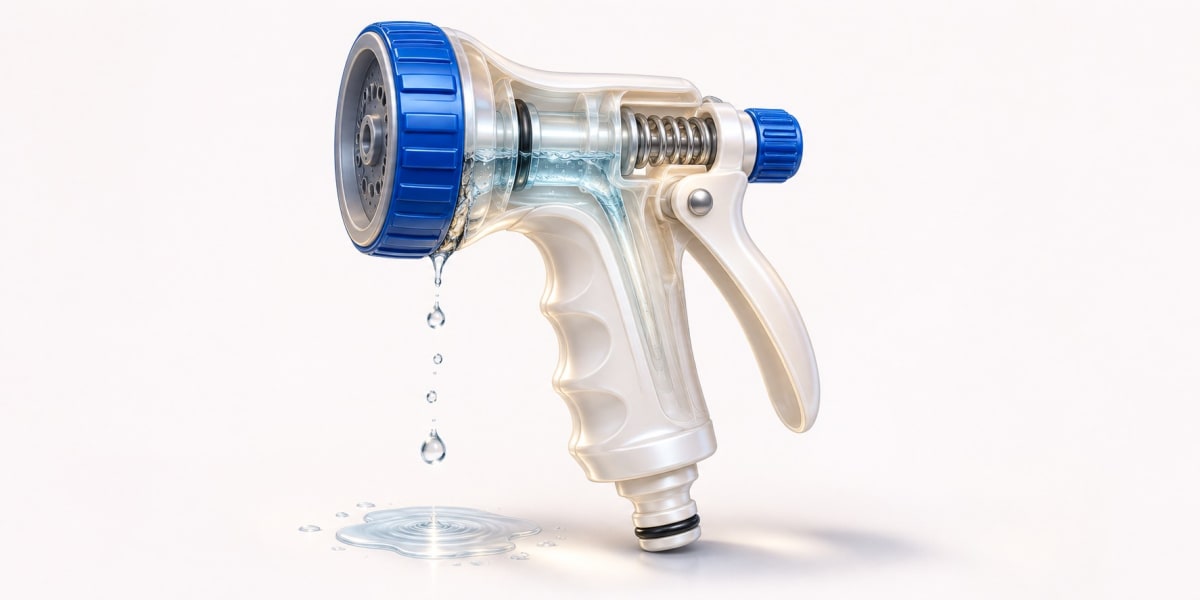
The hose nozzle still leaks. You tighten it again, feel cold water run over your fingers, and remember what you paid for it. A simple replacement now feels like admitting that the original purchase was a mistake.
Imagine this small garden task before watering the pots. Your aim is straightforward: deliver water where it is needed. Yet the decision begins to revolve around defending money already spent. This is a useful setting for examining the sunk-cost effect: allowing an unrecoverable past investment to weigh too heavily in the next choice.
Notice when yesterday's price changes today's question

The drip is a present observation. The purchase price is a remembered cost. Between them comes an interpretation: “If I stop using this, that money was wasted.” Disappointment turns into pressure to continue. You might spend another hour adjusting the nozzle without asking whether another adjustment has a reasonable chance of helping.
That is different from making a sensible repair. A worn washer may be inexpensive to replace, and checking the coupling could solve the problem. The issue is the reason for continuing. Are you assessing a repair's likely benefit now, or hoping that more effort will make the previous purchase feel justified?
In their 1985 paper, The Psychology of Sunk Cost, Hal Arkes and Catherine Blumer investigated how prior investments of money, effort or time can encourage continuation. Their experiments included hypothetical decisions and a field study involving theater subscriptions. The findings identify a tendency in decisions; they do not establish why any particular gardener persists.
Separate what is gone from what can still help
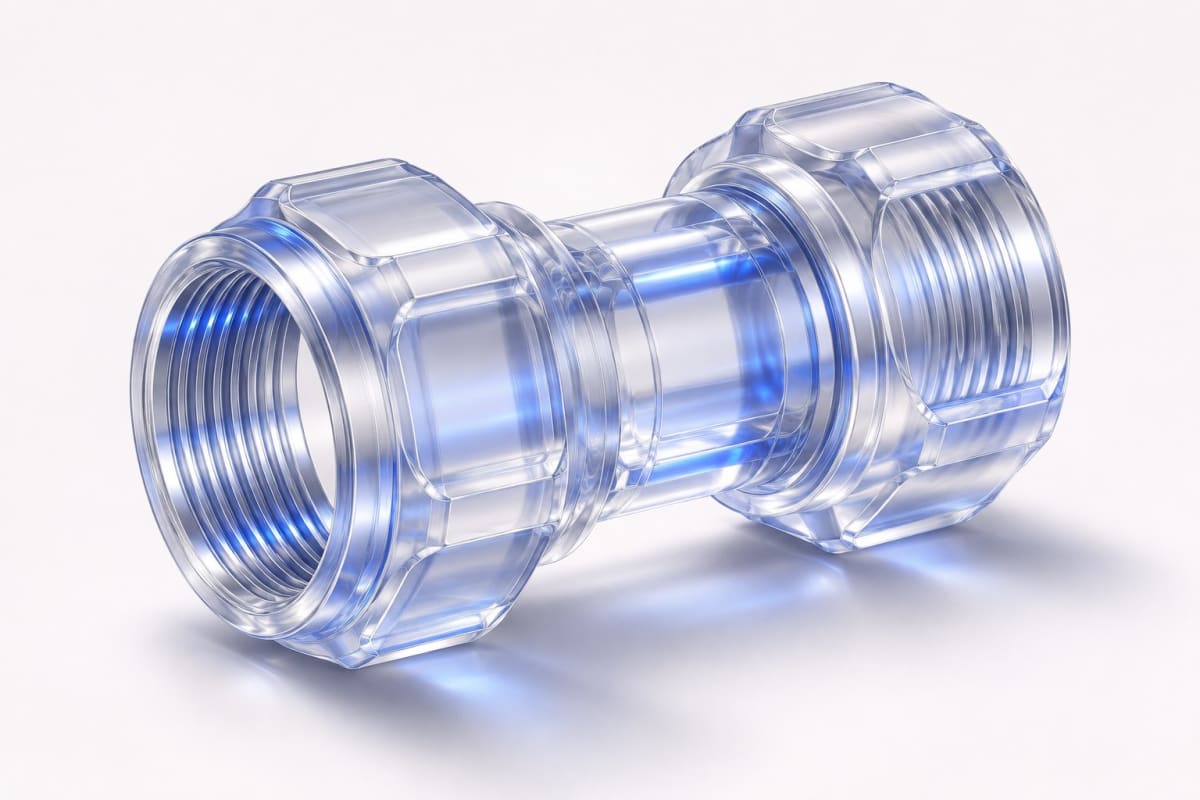
A sunk cost is a cost you cannot recover through the present decision. If the nozzle cannot be returned, its purchase price will remain spent whether you repair it, replace it or put it aside. The next hour, the price of a washer, and the usefulness of a replacement are still ahead. Those deserve attention because your current choice can affect them.
Past experience still matters as evidence. You may have learned which connector fits, what failed, or which repair was already tried. A refund, warranty or usable spare part can also change the options. Clear judgment does not erase history; it distinguishes information that helps today's decision from a desire to undo an irreversible expense.
Proverbs 19:20 says, “Hear counsel, and receive instruction, that thou mayest be wise in thy latter end” (KJV). This wisdom saying commends teachability over time. Applied here, it makes room for asking a knowledgeable person whether a repair is worthwhile. Receiving advice does not diminish your dignity because you chose the nozzle in the first place.
There is no need to assign this ordinary hesitation to a hormone level, a single brain region or a hidden spiritual cause. The relevant process is evaluating a choice: noticing which reasons are carrying weight and reconsidering whether they fit the decision still available.
Let stewardship include an honest change of course

Christian stewardship means caring responsibly for what is entrusted to us. It includes money, time and the work in front of us. It need not mean preserving every purchase or proving every earlier judgment correct. Continuing a useful effort can be faithful; ending an unhelpful attempt can also be responsible.
James 1:5 invites those who lack wisdom to ask God. In the letter's opening, this invitation stands amid teaching about trials and endurance. It offers a posture of dependence, not a promise that prayer will reveal the cheapest garden accessory. You can pray for wisdom, consider practical counsel and accept that your information is limited.
Renewing the mind includes letting truth reshape the rule “I must continue because I already paid.” For a Christian, that inward change belongs to learning a life of humility and faithfulness before God. A reader who does not share that faith can still recognize the value of judging the next step on its present merits.
A wiser next step does not have to prove that the previous step was perfect.
Today, choose one small task where past spending is pressuring you to continue. Ask what you would advise if that expense were already accepted as unrecoverable, then compare one realistic next option with the effort and benefit still ahead. This is a practical reflection exercise, not a tested treatment or a guarantee of a correct decision.
Reflection: Am I choosing what serves the task now, or trying to make yesterday's expense feel different?


