
The Spiritual Ascent: Embracing Surrender to Experience Divine Oneness
The Journey of Spiritual Growth and Its Challenges

Spiritual growth involves advancing to higher levels of understanding, faith, and experience in God. As individuals deepen their knowledge and connection with the divine, they often feel empowered believing they can accomplish anything. Yet, this journey is not a simple upward climb. It includes moments where all perceived strength and control seem to falter. The experience can feel like dropping into a deep valley of doubt or spiritual darkness, often referred to as the "dark night of the soul." This is a stage where believers face intense questions about their faith, personal power, and the true meaning of their spiritual progress.
Such experiences challenge the believer to reconsider the source of their spiritual authority. The truth revealed in these struggles is that no matter how great one’s personal spiritual achievements seem, God alone is sovereign. We must recognize the limits of our power and knowledge in contrast to the absolute and infinite nature of God. This realization humbles the soul, preparing it for the next phase of growth.
The Paradox of Surrender in Spiritual Advancement

The highest levels of spiritual maturity require what may seem like a paradox: the greater the advancement, the greater the surrender. Surrender here means relinquishing all claims to personal greatness and control, allowing God to work fully through the individual. This is a profound act of humility that opposes the common human desire for autonomy and achievement.
Spiritually, surrender is not weakness but the condition for divine strength. Just as clay in the hands of the potter is shaped according to the potter’s design, so does God mold those who willingly submit. It is only when the soul is emptied of self-reliance that it becomes a pure conduit for God's will and purpose.
Scripture affirms this truth through the example of Christ, who humbled Himself to the point of death, yet was exalted by God to the highest place (Philippians 2:8-9). This teaches that true spiritual power is inseparable from surrender. Jesus’ life epitomizes the calling to be fully dependent on God’s guidance.
Becoming Vessels of God’s Work Through Surrender
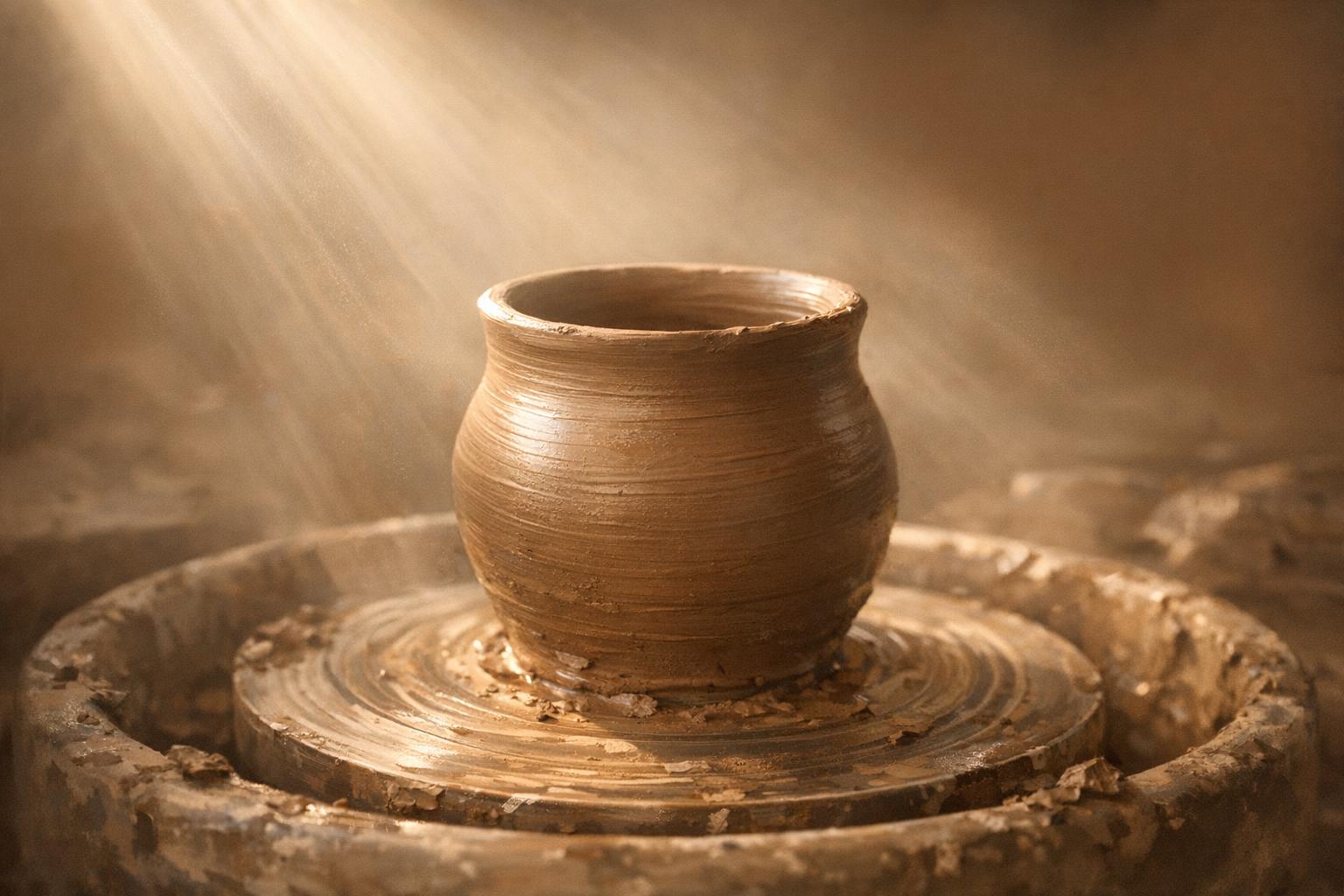
Every believer is called to be a messenger of God, as a bearer of His truth and power. The effectiveness of this witness depends on the degree of surrender to God. The more surrendered we are, the more authentic and potent our witness becomes. God uses surrendered vessels to achieve His highest purposes in the world.
In practical terms, this means setting aside personal agendas and ambitions to follow wherever God leads. Such submission does not limit our influence but rather frees us to be co-creators with God. When Christ is the head of our lives, we gain authority over lesser things (Colossians 1:18). This spiritual order is reflected in the dynamic where the soul, surrendered to Christ’s leadership, gains dominion not by force but through divine empowerment.
The biblical invitation is clear: “Trust in the LORD with all your heart and lean not on your own understanding; in all your ways submit to him, and he will make your paths straight” (Proverbs 3:5-6). This is not a call to passivity but to active, faithful obedience that embraces God’s wisdom and timing.
The Cycle of Fullness and Emptiness in Spiritual Life
True spiritual maturity also involves understanding the balance between fullness and emptiness. One must first recognize the fullness of their identity in Christ, being loved, empowered, and called by God, before one can fully surrender and be emptied of self-will. This “emptying” is a necessary step to be refilled by God’s Spirit at a higher level.
This process reflects a deep ontological truth: becoming “nothing” in oneself opens the way for God to become “everything” within us. The Apostle Paul expresses this when he writes, “I have been crucified with Christ and I no longer live, but Christ lives in me” (Galatians 2:20). The believer’s self is diminished so that Christ’s fullness may increase.
Spiritual advancement is therefore not simply about gaining new abilities or experiences. It is about continually surrendering control so that God can work directly and powerfully through our lives. To function at this highest level, control must give way to trust and letting go. The paradox is that relinquishing control does not lead to loss, but to ultimate victory in God’s plan.
Living with Christ-Confidence Amid Uncertainty
The path of surrender is not easy. It often involves times when believers cannot “trace” the reasons or outcomes of their experiences. Yet, faith requires trust in God’s perfect knowledge and timing. The psalmist’s encouragement remains vital:
“Wait for the LORD; be strong and take heart and wait for the LORD” (Psalm 27:14).
Faith in God’s sovereignty assures us that even when the spiritual journey involves apparent setbacks or emptiness, God is actively shaping us for His glory. Our confidence in Christ anchors us in this truth and enables patients and joyful obedience. Christians are thus called to cultivate a Mind Renewed by God’s Word, nurturing a sound and stable understanding that embraces surrender not as defeat, but as the gateway to deeper life and power.
In sum, spiritual ascent culminates in a divine paradox: the higher we go, the more we must surrender. This total surrender is not loss but fullness, as God fills the emptied vessel with his infinite presence. Such a journey leads to true oneness with God, equipping believers to live victoriously and purposefully according to His will.


