
When the Kettle Clicks: Giving an Old Habit a New Response
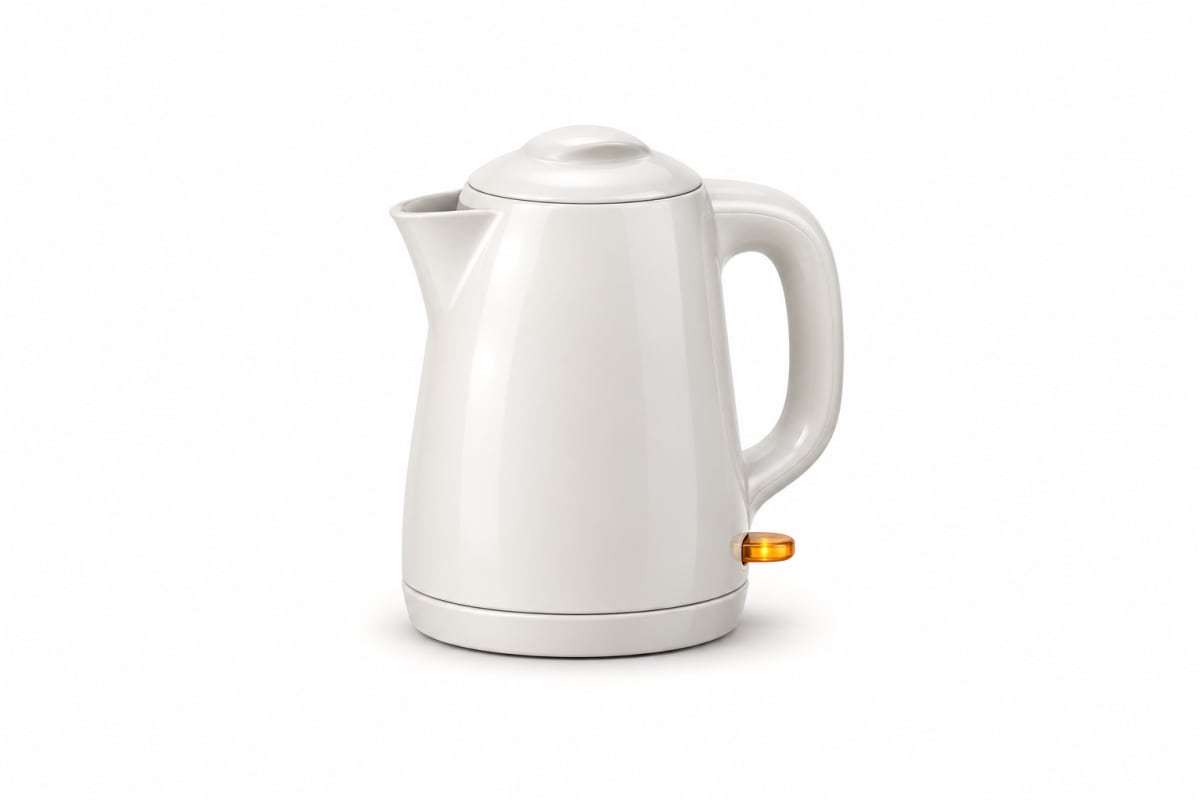
The kettle clicks off. Before you pour the water, your hand reaches for the phone beside it. You meant to begin the morning with prayer, but a few headlines become several minutes of scrolling. The tea is ready; the quiet moment has passed.
Imagine this familiar kitchen scene. No urgent message demanded your attention. A repeated response simply arrived quickly. Understanding habit automaticity can help you approach that moment with clearer expectations and a practical way to begin again.
Notice what the familiar setting invites

The kettle’s switch marks a transition: waiting has ended, and something comes next. In this scenario, the phone’s position and the pause before pouring offer familiar conditions for checking it. The first thought may be modest: “Just see what is happening.” Soon your attention is following whatever appears on the screen.
Habit automaticity means that a learned action can be prompted by familiar circumstances with relatively little deliberation. Wood and Rünger’s review, Psychology of Habit, describes how repeating responses in recurring contexts can establish these associations. Having a sincere goal does not ensure that the familiar response disappears when the setting returns.
Proverbs 4:26 says, “Ponder the path of thy feet, and let all thy ways be established” (KJV). In context, the instruction belongs to a father’s counsel about attending to wisdom and turning away from evil. Applied to this morning, it invites consideration of where your ordinary actions are leading. It does not declare every glance at a phone sinful.
A practiced response is learned, not inevitable

A groove offers an illustration of a familiar direction, but habits are not literal grooves cut into the brain. The same review describes evidence involving networks connecting the cortex with the striatum, a group of structures beneath the cerebral cortex. Human imaging studies have linked habitual responding with activity in parts of the sensorimotor striatum, including the posterior putamen. Much mechanistic evidence also comes from animal studies; it cannot simply be read as a scan of your morning.
These findings help explain why behavior can reflect previous learning as well as present intention. They do not establish that a particular brain area forced you to scroll, or that an ordinary urge reveals your dopamine level. This article’s example concerns an everyday routine, not a diagnosis of addiction.
In Lally and colleagues’ habit-formation study, volunteers repeated a chosen eating, drinking or activity behavior in a consistent daily context over twelve weeks. Reported automaticity developed at different rates. The study supports patient attention to repetition and context rather than a universal deadline. It did not test prayer or promise that one kitchen exercise would transform every habit.
For this imagined morning, changing the setup is a practical application: give the phone a landing place on a small mat away from the kettle. The aim is to make your intended response easier to begin when the familiar moment arrives.
Offer the next action to God

Romans 6:13 calls believers to “yield yourselves unto God” (KJV). Paul grounds that appeal in sharing Christ’s death and resurrection and living under grace. His concern is whom our lives serve, including what we do with our bodies. A kitchen arrangement is not the source of that new life; it can serve an intention shaped by it.
Mind renewal therefore reaches further than efficient routines. It includes reconsidering what deserves your first response and willingly practicing what you believe is good. Being renewed inwardly can find expression in a hand that leaves the phone where it is and begins a brief, honest prayer. Readers who do not share Christian faith can still understand the practical distinction between a chosen priority and a repeated default.
A familiar cue can become a place to practice a more faithful response.
Today, choose one ordinary kettle break. Before switching it on, place the phone on that separate mat. When the kettle clicks, pour safely and offer one sentence of prayer before deciding whether to check the screen. Treat this as a manageable application of habit research and Christian intention, not a scientific prescription or a promise that an urge will vanish. If you forget, the next opportunity remains available.
Reflection: What familiar cue could you arrange differently so your chosen priority has an easier beginning?


